 Open Monday-Saturday – 10 AM to 6 PM |
  24X7 Emergency Services
  +91 9172000604, +91 9172363604
Endoscopic Spine Surgery in Nanded

What Is Endoscopic Spine Surgery?
Endoscopic Spine Surgery is a modern, minimally invasive surgical technique used to treat spinal conditions through very small incisions. In this procedure, the surgeon uses an endoscope a thin tube with a high-definition camera and light to view and operate on the spine with precision. Specialized surgical instruments are inserted alongside the endoscope to remove damaged discs, bone spurs, or other tissue causing nerve compression or pain.
This technique is commonly used to treat conditions like herniated discs, spinal stenosis, and sciatica. Compared to traditional open spine surgery, endoscopic spine surgery offers smaller incisions, less pain, minimal blood loss, shorter hospital stays, and faster recovery. It allows patients to return to normal activities much sooner while preserving the natural stability and strength of the spine.
Who May Need Endoscopic Spine Surgery?
Your doctor may recommend Endoscopic Spine Surgery if you experience:
- Individuals with chronic back or neck pain due to spinal disorders.
- Patients suffering from herniated or bulging discs.
- People diagnosed with spinal stenosis or nerve compression.
- Those experiencing sciatica, numbness, or weakness in the limbs.
- Patients who prefer a minimally invasive option for faster recovery.
Types of Endoscopic Spine Surgery
Total Endoscopic Spine Surgery (TESS)
- Removal of herniated or damaged disc material pressing on nerves.
- Widening of the nerve passageway to relieve compression.
- Removal of a small portion of the lamina to reduce spinal pressure.
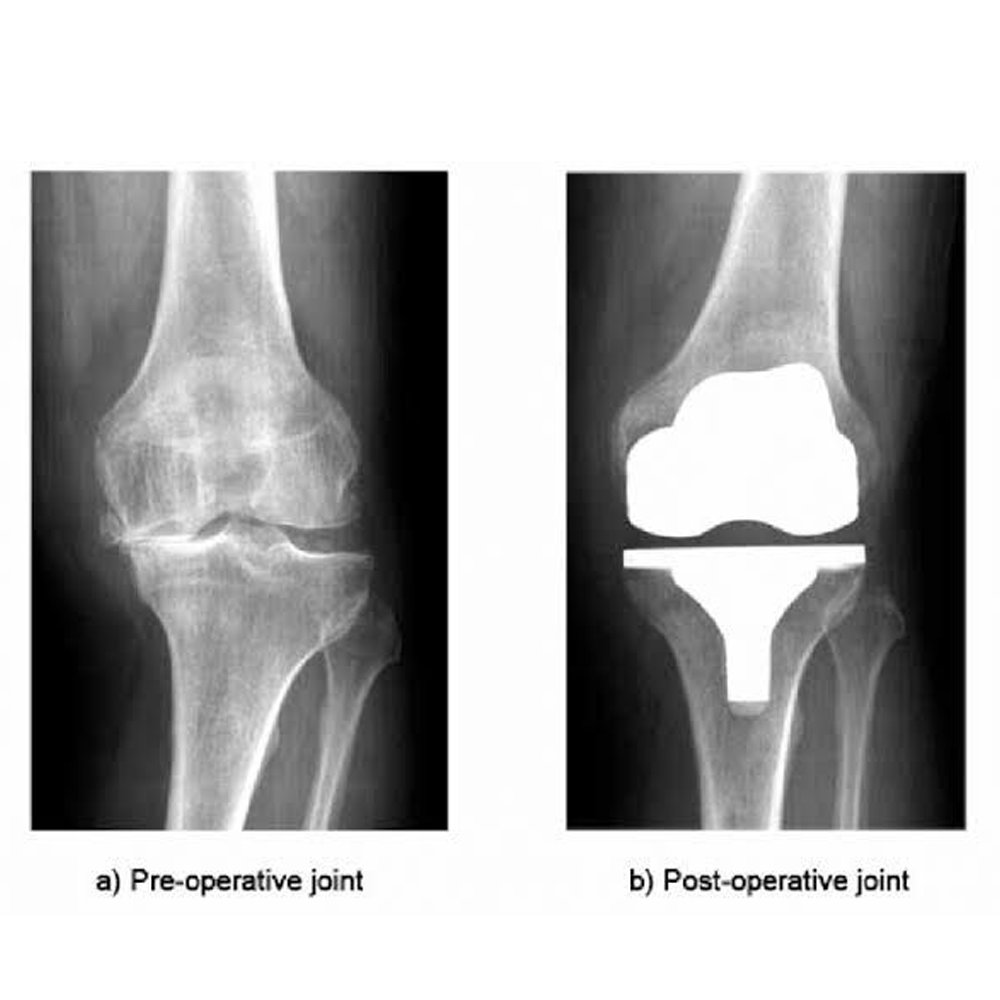
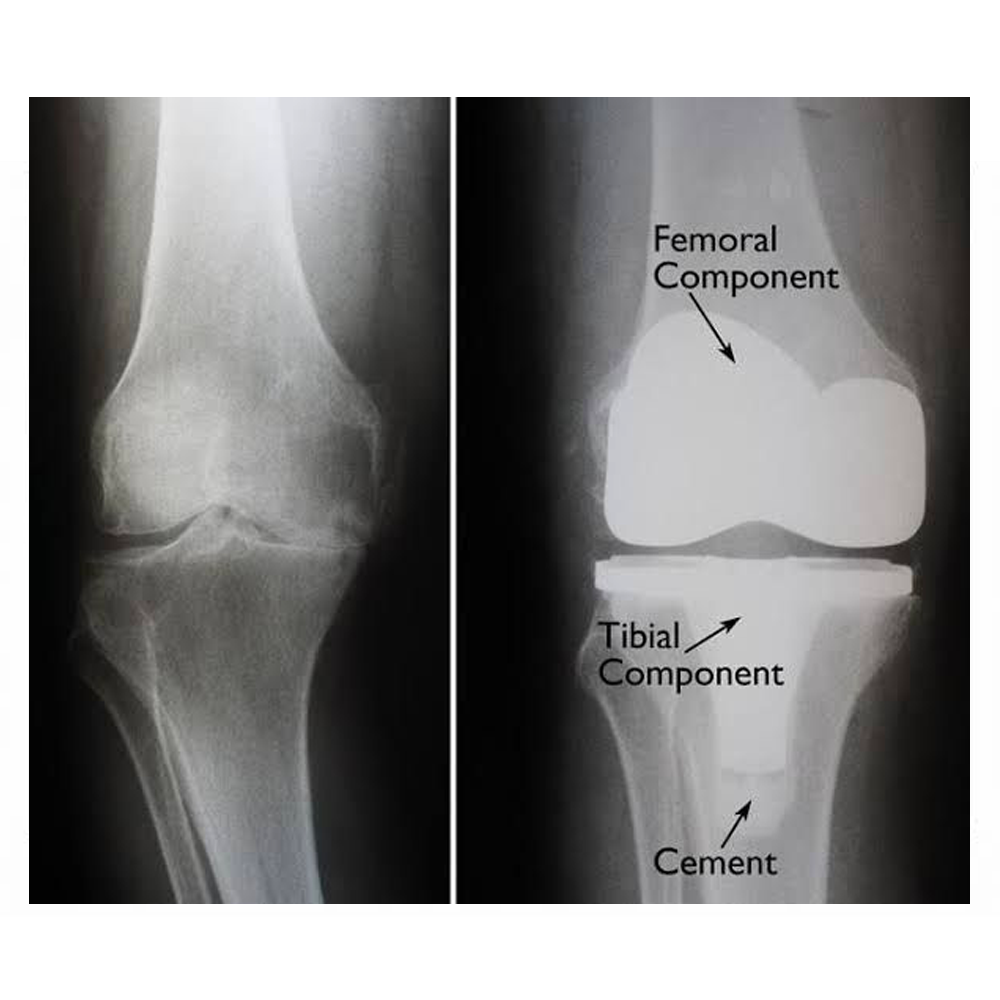
For patients with arthritis in both knees, a bilateral replacement may be recommended. Modern techniques, including computer-assisted navigation, help surgeons achieve precise implant alignment and improve long-term outcomes.
Endoscopic Discectomy
Endoscopic Discectomy is a minimally invasive surgical procedure used to treat herniated or slipped discs that press on spinal nerves. In this procedure, the surgeon makes a small incision and inserts an endoscope a thin tube with a camera to view the affected area of the spine.
Endoscopic Foraminotomy
Endoscopic Foraminotomy is a minimally invasive spine surgery performed to relieve nerve compression in the spinal foramen the small openings where nerve roots exit the spine. During the procedure, the surgeon inserts an endoscope through a tiny incision to clearly view and access the affected area.
Understanding the Endoscopic Spine Surgery
Understanding Endoscopic Spine Surgery involves learning how this advanced, minimally invasive technique helps treat spinal problems with precision and faster recovery. Instead of large incisions, the surgeon uses a thin tube called an endoscope with a high-definition camera to view the spine in detail. Through tiny cuts, specialized instruments are used to remove damaged disc material, bone spurs, or tissues pressing on nerves. This procedure effectively treats conditions like herniated discs, spinal stenosis, and sciatica while causing minimal muscle damage.
What to Expect After Surgery
Immediately After Surgery
- Discomfort may occur for a few days after surgery.
- Small dressings will cover the incision sites to prevent infection.
- Most patients can walk and move shortly after the procedure.
- Pain relief and improved mobility are usually noticed within a few days.
- Most people return to normal daily activities within a few weeks.
Physiotherapy and Recovery
- First 24 hours: Gentle in-bed exercises are started under supervision.
- Day 1–2: The drain is removed, and you may sit up with support.
- Day 2–3: You will be encouraged to stand and take steps with a walker.
- End of week 1: Walking with assistance becomes easier; you may use the restroom with a raised seat.
- 2 weeks: Stitches are removed.
- 3 weeks: Most patients can walk with a stick and gradually increase activity.
With regular physiotherapy, most people experience significant pain relief, improved mobility, and better quality of life.
Anatomy of the Endoscopic Spine Surgery
Anatomy of the Endoscopic Spine Surgery refers to the detailed structure and process involved in performing this advanced, minimally invasive spinal procedure. The surgery uses an endoscope, a thin tube equipped with a high-definition camera and light source, which allows the surgeon to see inside the spine without making large incisions.
Key Takeaways
- It uses an endoscope with a camera to view and repair the spine with precision.
- Commonly treats herniated discs, spinal stenosis, and nerve compression.
- Causes minimal muscle damage, less pain, and reduced blood loss compared to open surgery.
- Physical therapy after surgery helps restore flexibility and strength.
